When our male clients first begin the coaching process, it quickly becomes apparent that age is one of their biggest limiting beliefs.
They think that once you reach a certain age, everything becomes much harder. “Wait til you get to my age” they say.
Luckily, we’re here to prove that wrong. At BPGym we strive to show what is possible, not just in getting our clients in the best shape of their lives, but making them FEEL like they did in their 20’s.
The nutrition protocols we implement are surprisingly simple, and very effective. But first, why is healthy ageing something we even need to consider? Can’t we just accept the process and everything it entails?
The number of people aged 60 and older worldwide is projected to more than double in the next 35 years. What if we told you that you can influence all the factors that play a role in your quality of life, from improving your day-to-day tiredness, to reducing your risk of future physical disabilities.
Here are just a few strategies we use to get our clients looking and feeling younger than ever:
Resistance Training
More popular than ever, but still under-appreciated for its benefits in aging and improvements in quality of life.
When resistance training is applied appropriately, there are countless advantages to both physical and psychological health including a reduced risk of osteoporosis and other chronic diseases developing, as well as an improved retention of muscle strength and size which may reduce development of sarcopenia.
You dont need to be on an extreme training plan. Simply training 2-4 hours per week which broken down is only 1-2% of your time over a week. Check out Paul (bottom of this article) to see what can be achieved with the commitment of 2-4 session per week.
We would recommend prioritising recovery as much as the training itself, with anabolic resistance being a potential factor to consider. This simply means that the responsiveness to protein intake is down regulated and therefore it may be slightly harder to recover from massive amounts of volume.
Protein Consumption
With recovery in mind, protein consumption is vital. This is not just over the course of the day, but also protein serving per meal. The consumption of protein helps stimulate a process called muscle protein synthesis which is essential in preventing the breakdown of muscle, as well as the formation of new tissue.
Current research shows that 0.4-0.6g per kg/bodyweight may be an ideal range to aim for within a meal. They also show that theres better absorption of protein into muscles with larger protein meals less frequent over smaller frequent protein hits. In particle terms 3/4 meals over more. For a 70kg individual this would be between 28-42g protein within a meal, which should be manageable for most. An average sized chicken breast or good serving of fish would meet these numbers.
On a daily basis, we would then be looking to hit around 1.4-2g per kg/bodyweight. Again, for a 70kg person this would be around 100-140g protein.

Adequate Hydration
Although everyone is aware how important hydration is for a healthy functioning body, it is still a big speed bump for a lot of individuals. The average sedentary person excretes around 2700ml water daily, via respiration, urination and sweat. Water is a vital component in so many of our processes; from performance, to water retention, to the immune system. Given that a human’s body weight is 50-70% water it’s understandable why building habits around hydration can make such a positive impact to the way we look and feel.
Try these methods of improving your intake:
- Create a link with another habit to increase consistency. For example, eating is typically habitual, breakfast, lunch and dinner. If you have a large glass of water with every meal then you’re well on your way to getting your daily requirements.
- Out of sight, out of mind. If you have constant access to a water bottle then you’re far more likely to maintain an awareness of your fluid intake.
- Be ahead of dehydration. Thirst, dry mouth, tiredness and headaches. If you feel these symptoms, you’re potentially already dehydrated!
Don’t choose to accept a lower quality of life, when you have the opportunity to reverse a lifetime of bad habits.
Creatine Supplementation
If there is one supplement we would strongly consider for men in their 50s, it is creatine monohydrate.
Creatine is one of the most well-researched sports supplements available. It helps your body regenerate energy more efficiently during high-intensity efforts, which is especially useful when paired with resistance training.
Why does this matter more in your 50s?
Because at this stage of life, preserving and building muscle mass becomes more important than ever. Strength, lean tissue and physical function all play a huge role in how well you age. The better you maintain them, the better your quality of life tends to be.
Research in older adults shows that creatine supplementation particularly when combined with resistance training can help improve lean mass, strength, and overall training adaptations more than training alone. In simple terms, it can help you get more from the work you are already doing.
Another big positive is that creatine is simple, affordable and easy to implement. For most people, 3–5g per day of creatine monohydrate is a sensible evidence-based approach. You do not need to overcomplicate it, and you do not need a loading phase for it to be effective over time.
It is also worth noting that the strongest evidence for creatine in older adults is around muscle and strength support, which is exactly why it fits so well into a programme focused on healthy ageing.
As with any supplement, if you have a pre-existing medical condition, particularly any kidney-related issue, it is sensible to speak to your GP or healthcare professional before starting.
Final Thoughts
Don’t choose to accept a lower quality of life when you have the opportunity to reverse a lifetime of poor habits.
Your 50s are not the beginning of the end. In many cases, they can be the point where you finally start training with more purpose, eating with more intention, and getting better results than you thought were still possible.
Train hard, recover well, eat enough protein, stay hydrated, and use the tools that can support the process.
Most importantly, do not let your age hold you back.
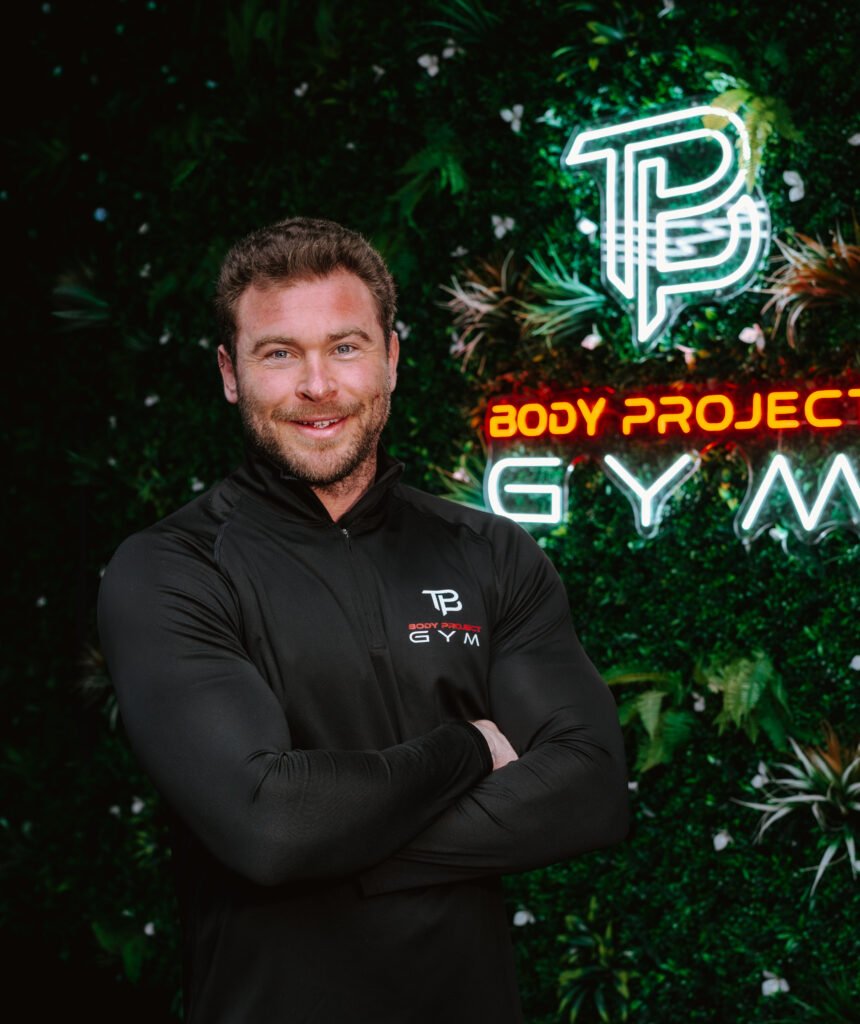
I’m going to leave you with Paul Watson’s photo shoot transformation.

There was nothing extreme about how Paul achieved these results, just consistency, structure and doing the basics well.
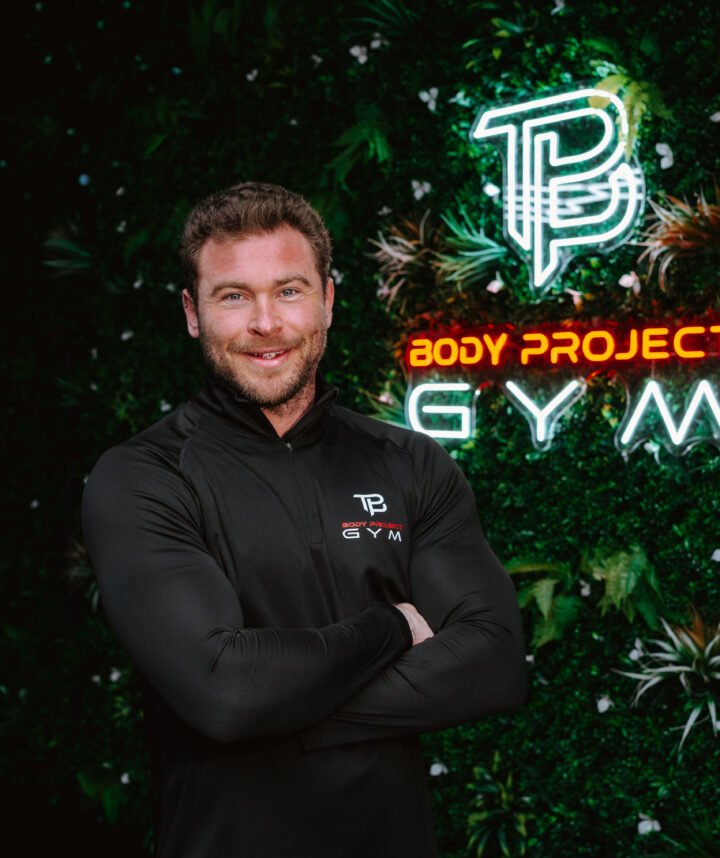
He trained 3–4 times per week, with two of those sessions coached by me (Luke) and the others completed independently.
And yes, Paul is in his 50s.
He’s a perfect example of what can be achieved when you stop letting age become a limitation and start focusing on what you can control.
Your best shape doesn’t have to be behind you.


Evidence and Study Links
Creatine
- Brose A, Parise G, Tarnopolsky MA. Creatine supplementation enhances isometric strength and body composition improvements following strength exercise training in older adults.
https://pubmed.ncbi.nlm.nih.gov/12560406/ - Devries MC, Phillips SM. Creatine supplementation during resistance training in older adults — a meta-analysis.
https://pubmed.ncbi.nlm.nih.gov/24576864/ - Pinto CL, Botelho PB, Carneiro JAA, Mota JF. Impact of creatine supplementation in combination with resistance training on lean mass in the elderly.
https://pmc.ncbi.nlm.nih.gov/articles/PMC4864174/
Protein
- Hiol AN, et al. Protein intake, distribution, and sources in community-dwelling older adults.
https://journals.sagepub.com/doi/10.3233/NHA-220176 - Schoenfeld BJ, Aragon AA. How much protein can the body use in a single meal for muscle-building?
https://pmc.ncbi.nlm.nih.gov/articles/PMC5828430/