At BPGym, we believe great results come from education just as much as they do hard work. Our goal isn’t simply to tell you what exercises to perform, we want you to understand why you’re doing them.
Throughout our coaching process, we regularly come across training myths that have been repeated so many times they’ve become accepted as fact. Unfortunately, these misconceptions often leave people frustrated, confused and progressing far slower than they should.
Here are three of the biggest training myths we help our members overcome.
Myth 1: Exercise Is Your Biggest Fat-Loss Tool
When people begin a fat loss journey, exercise is often viewed as the key to burning calories. While training certainly plays an important role, many people are surprised to learn that it isn’t actually where the majority of their daily calorie expenditure comes from.
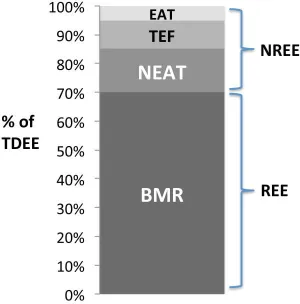
The largest contributor to your daily energy expenditure is your Basal Metabolic Rate (BMR) the energy your body requires simply to keep you alive. Even if you stayed in bed all day, your body would still burn calories to keep your heart beating, lungs breathing, brain functioning and organs working. For most people, this accounts for around 60–70% of total daily energy expenditure.
The next largest contributor is Non-Exercise Activity Thermogenesis (NEAT) the calories burned through everyday movement outside of structured exercise. Walking, climbing stairs, standing, cleaning, shopping, gardening and even fidgeting all contribute to NEAT. Depending on your lifestyle, this can account for 15–30% of your total daily energy expenditure, making it one of the most powerful tools for increasing calorie output.
By comparison, a typical gym session usually contributes only a relatively small percentage of your daily calorie expenditure. This is called your Exercises Activity Thermogenesis (EAT) which is only around 5% of your overall daily expenditure.
So why do we still recommend resistance training and regular exercise?
Because the benefits extend far beyond simply burning calories.
Regular resistance training can:
- Preserve and build muscle mass.
- Increase strength and physical function.
- Improve bone density.
- Reduce the risk of age related muscle loss (sarcopenia).
- Improve insulin sensitivity and metabolic health.
- Reduce the risk of many chronic diseases.
- Improve confidence, body composition, mental wellbeing and quality of life.
Exercise shouldn’t only become part of your routine when you’re trying to lose weight. It should be a lifelong investment in building a stronger, healthier and more resilient body.
Myth 2: Everyone Should Squat “To Depth”
It’s common to hear cues such as “squat below parallel” or “bench press until the bar touches your chest.” These standards originate from sports such as powerlifting, where movements are judged against specific technical requirements. However, most people training in a commercial gym aren’t powerlifters. Their goal is usually to build muscle, lose fat, improve performance or simply move better.
At BPGym, we don’t try to fit people to exercises we fit exercises to people. Every individual has different anatomy, limb lengths, joint structures, injury history and mobility. What allows one person to comfortably reach a certain range of motion may not be appropriate for someone else.
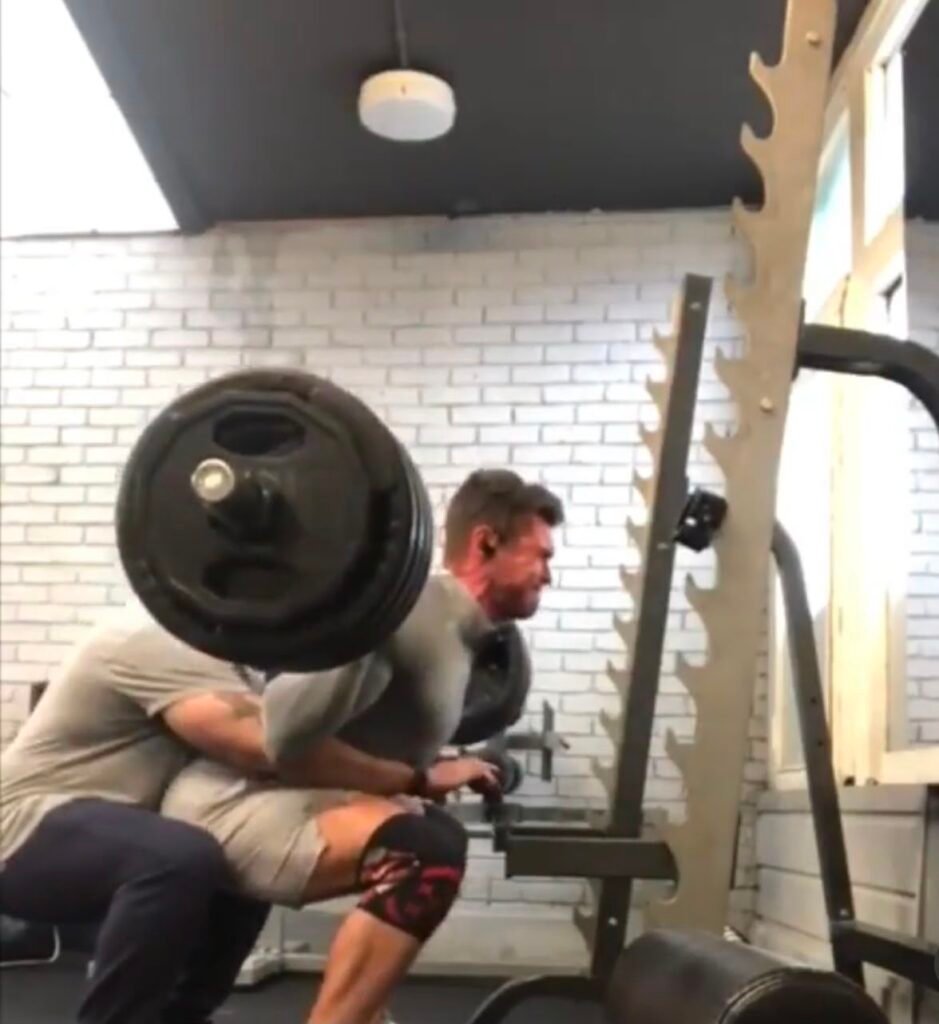
When it comes to squatting, going deeper isn’t automatically better. If you’re forcing yourself into a position that you can’t actively control, you may increase discomfort, reduce stability and place unnecessary stress on your joints and surrounding tissues. The goal should always be to perform the deepest range of motion that your body can control safely while maintaining tension in the target muscles.
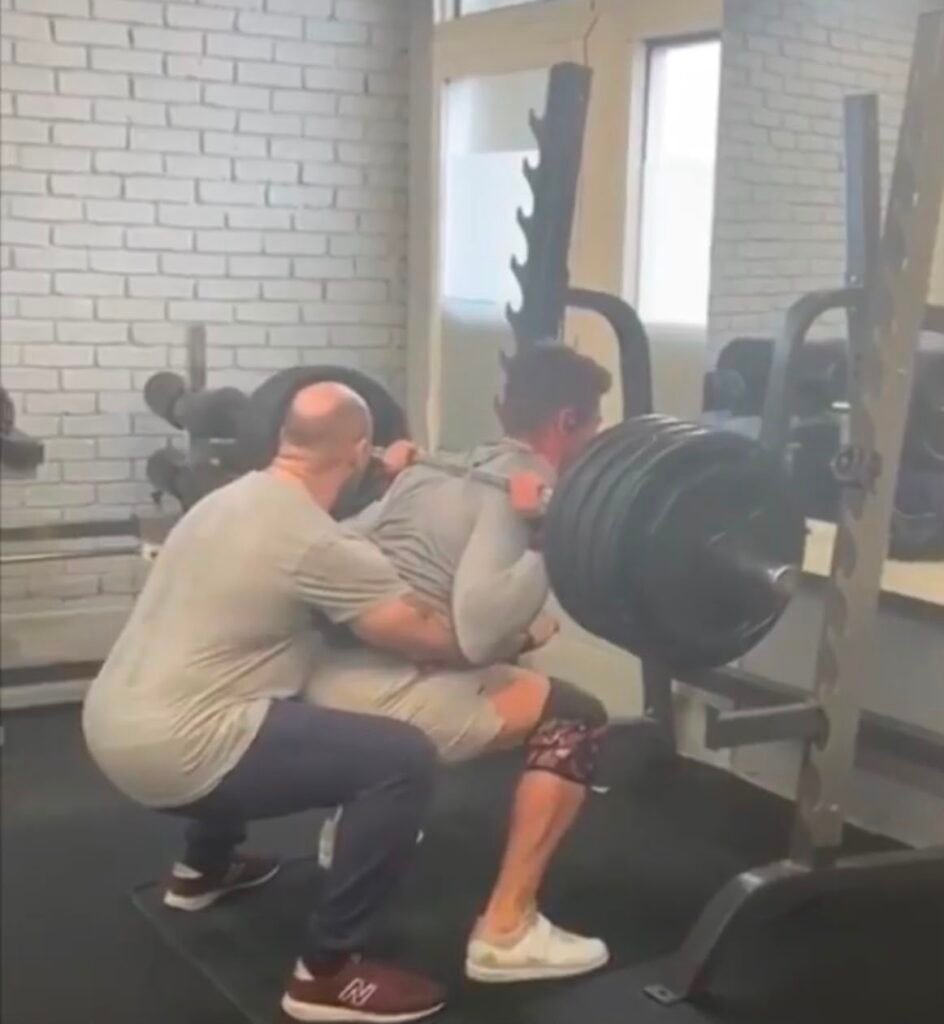
I learned this lesson myself. Years ago, while squatting over 200kg, I followed the mindset that deeper was always better. After heavy sessions I regularly developed deep bruising across my hips and couldn’t understand why. The issue wasn’t the weight or a lack of mobility it was that my hip anatomy simply didn’t allow that position comfortably. I was repeatedly compressing soft tissue between my thigh and hips because I was chasing someone else’s range of motion instead of respecting my own.
The same principle applies to the bench press. Some people can comfortably touch the bar to their chest, while others cannot. Factors such as shoulder anatomy, ribcage shape, arm length, exercise set up, previous injuries and shoulder health all influence how much range of motion is appropriate. Forcing the bar lower than your body comfortably allows doesn’t necessarily make the exercise more effective it may simply increase stress around the shoulder joint.
Rather than chasing arbitrary standards, our focus is on helping each member move as well as their own body allows. Quality of movement will always produce better long-term results & reduce the chance of injury rather than trying to make everyone look the same.
Myth 3: Tight Muscles Don’t Just Need Stretching
One of the most common questions we hear is, “My hamstrings are tight what stretches should I do?” While stretching certainly has its place, muscular tightness is often more complex than simply lacking flexibility.
In many cases, the sensation of tightness is your nervous system’s way of protecting a position that it doesn’t yet feel strong or stable enough to control. Stretching can temporarily reduce this sensation and improve range of motion, but unless you also develop strength and control within that new range, those improvements are often short lived. This is why many people find themselves stretching the same muscles every day without experiencing lasting change.
A more effective approach is often to combine stretching with targeted strengthening exercises. By improving strength throughout the available range of motion, the nervous system can become more confident allowing movement into those positions. Over time, this can lead to longer lasting improvements in both flexibility and movement quality.
For example, someone who constantly experiences tight hamstrings may benefit from strengthening the hamstrings in lengthened positions while also improving strength through the hip flexors and surrounding muscles responsible for stabilising the pelvis. Rather than simply chasing greater flexibility, the aim becomes building strength, stability and control throughout the range of motion.
By combining mobility work with progressive strength training, you create lasting improvements in movement quality, reduce unnecessary tension and improve performance both inside and outside the gym.

The Takeaway
The fitness industry is full of advice that has been repeated so often it becomes accepted as fact. While some of these ideas contain an element of truth, they often overlook the most important factor you. Every individual has different anatomy, different goals and different training requirements, which means a one-size-fits-all approach rarely produces the best results.
At BPGym, we believe coaching should never rely on generic rules or outdated myths. Instead, we assess how you move, consider your biomechanics, injury history, training experience and goals, and build a programme specifically around you. Whether your aim is to lose fat, build muscle, become stronger or simply move pain free, every recommendation is tailored to help you progress safely and effectively.
If you’re tired of following generic advice that doesn’t suit your body, book an assessment with one of our coaching team. We’ll identify what’s holding you back, explain why, and build a programme around your individual biomechanics, goals and experience because better coaching leads to better results.
References
American College of Sports Medicine. ACSM’s Guidelines for Exercise Testing and Prescription.
Behm, D.G., & Chaouachi, A. (2011). A review of the acute effects of static and dynamic stretching on performance.
Morton, R.W., et al. (2018). A systematic review, meta-analysis and meta-regression of protein supplementation on resistance training-induced gains in muscle mass and strength.
Schoenfeld, B.J. (2010). The mechanisms of muscle hypertrophy and their application to resistance training.
McGill, S.M. (2015). Low Back Disorders: Evidence-Based Prevention and Rehabilitation.